Pediatric dentistry provides specialist care that is adapted to the particular requirements of young patients, with an emphasis on the dental health of children from infancy through adolescence. Pediatric dentists are educated to guide children through every stage of dental development since healthy teeth and gums are essential for optimal speech development, chewing, and general growth. These professionals use a combination of dental knowledge and strategies to make kids feel at ease and secure in the dentist chair, promoting a lifelong good attitude toward oral health.
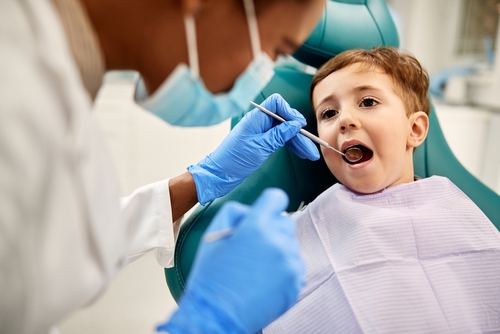
Pediatric dentists keep an eye on the development of teeth, jaws, and bite alignment from the time a child gets their first tooth until adolescence. Frequent dental checkups enable the early identification of possible problems including cavities, misaligned teeth, or bite abnormalities. Dental sealants, fluoride treatments, and professional cleanings are examples of preventative care that is crucial in preventing tooth decay. In order to maintain healthy teeth and gums in between appointments, pediatric dentists instruct kids and parents on appropriate brushing, flossing, and eating practices.
Early dental appointments are important for both prevention and making kids feel comfortable. In order to lessen anxiety, pediatric dentists are educated in behavior management strategies that use kid-friendly tools, calm communication, and positive reinforcement. Children can build trust and make the transition to routine dental treatment easier when they are introduced to the dentist office in a warm and comforting manner. This foundation lessens dental procedure anxiety and promotes lifelong good habits.
Common dental issues unique to children are also addressed by pediatric dentistry. The most common ailment in children is tooth decay, which can be avoided with good hygiene and prompt treatment. Pediatric dentists treat cavities with fillings, crowns, or minimally invasive procedures that are suitable for young teeth. Additionally, they treat dental injuries, such as chipped or knocked-out teeth, which are prevalent in active kids and provide timely care that preserves both function and look.
Keeping an eye on the growth of permanent teeth is another crucial component of childhood dentistry. Pediatric dentists examine the eruption of permanent teeth and the loss of baby teeth, looking for crowding or alignment problems that can call for early orthodontic treatment. Early identification of biting issues enables prompt treatment, potentially averting more complex treatments in the future. When needed, pediatric dentists work with orthodontists to construct customized treatment programs that promote healthy dental development.
Advice for kids with unique medical problems is another aspect of specialized care in pediatric dentistry. Specialized dental procedures, such as altered treatment methods, sedation choices, or extended appointment periods, may be necessary for children with disorders impacting their physical, emotional, or cognitive development. In order to offer each child with safe, efficient, and compassionate care, pediatric dentists collaborate closely with families and other medical professionals.
One of the most important aspects of pediatric dentistry is education. Children are taught the value of dental hygiene by dentists using engaging, interactive techniques that promote involvement and comprehension. From brushing methods to dietary advice on cutting back on sugar consumption, parents are given the resources and direction they need to maintain dental health at home. Pediatric dentistry assists in preventing issues before they arise by promoting awareness and accountability at a young age.
In order to lower the risk of cavities, pediatric dentists also emphasize preventative methods including dental sealants, fluoride treatments, and routine cleanings. Sealants shield tooth crevices where food might get stuck, and fluoride fortifies enamel, increasing tooth resistance to decay. Strong, healthy teeth are maintained throughout infancy with the help of these preventive techniques and routine dental checkups.
A child’s early dental experiences frequently influence how they will feel about oral health in the future. Good experiences with a pediatric dentist can boost self-esteem, lessen anxiety, and promote lifetime dental checkups. In addition to repairing teeth, pediatric dentistry aims to promote general development, impart good habits, and lay the groundwork for long-term dental health.
Pediatric dentistry guarantees children have strong, healthy teeth while fostering favorable attitudes about oral hygiene by offering compassionate, specialized care with a focus on prevention. From regular examinations and cleanings to treating cavities, trauma, and developmental issues, pediatric dentists are essential to preserving young patients’ smiles and general health so they can prosper now and in the future.