A dangerous sleep disorder called sleep apnea disrupts breathing while you’re asleep, resulting in frequent pauses in airflow throughout the night. While a person is asleep, these disruptions may happen dozens or even hundreds of times, lasting several seconds. Because it occurs during sleep, sleep apnea frequently goes untreated while having a substantial negative influence on general health, vitality, and quality of life. Dentists are crucial in diagnosing and treating some types of sleep apnea, particularly when airway blockage is caused by dental tissues.
Obstructive sleep apnea, central sleep apnea, and complicated sleep apnea are the three primary forms of sleep apnea. The most prevalent type of sleep apnea is obstructive, which happens when the throat’s muscles relax too much, causing soft tissues to collapse and obstruct the airway. The brain’s inability to deliver the right signals to regulate breathing results in central sleep apnea. Both are combined in complex sleep apnea. The form of sleep apnea that is most frequently treated with dental therapies is obstructive sleep apnea, which is frequently linked to oral and dental health issues.
Loud, persistent snoring, gasping or choking while you sleep, extreme daily lethargy, morning headaches, dry mouth, and trouble focusing are all common signs of sleep apnea. Many people don’t realize they have sleep apnea until their partner notices loud snoring or breathing irregularities. Sleep apnea raises the risk of major illnesses such high blood pressure, heart disease, stroke, diabetes, and depression if left untreated. Due to daytime sleepiness, it may also result in subpar work performance and a higher chance of accidents.
A sleep study performed at a sleep facility or a physician-recommended at-home test are the usual methods used to diagnose sleep apnea. However, during normal dental exams, dentists are frequently among the first medical professionals to identify symptoms of sleep apnea. A narrow airway, worn enamel, scalloped tongue borders, jaw alignment problems, or tooth grinding are some signs that point to a higher risk. When issues come up, dentists may work with sleep doctors as part of a comprehensive care plan or send patients for additional assessment.
Oral appliance therapy is one of the most popular dental treatments for obstructive sleep apnea. These specially designed mouthguard-like devices are worn while you sleep. By gently moving the tongue and lower jaw forward, oral appliances help maintain an unobstructed airway and lessen breathing disruptions. Patients with mild to moderate obstructive sleep apnea or those who are unable to endure continuous positive airway pressure therapy benefit most from them.
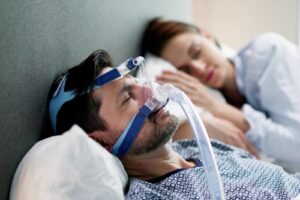
The most common treatment for moderate to severe sleep apnea is still CPAP therapy, which maintains the airway open by continuously pumping air through a mask. Despite its effectiveness, some patients have trouble with mask fit, comfort, or noise. Oral appliances offer these people a more quiet, portable, and pleasant option. These appliances are customized and adjusted by dentists with training in sleep medicine to guarantee optimal fit, comfort, and efficacy.
Changing one’s lifestyle is also crucial for treating sleep apnea. Significant symptom reduction can be achieved by controlling weight, abstaining from drinking before bed, stopping smoking, and sleeping on one’s side instead of the back. Since gum disease, inflammation, and jaw discomfort can make it difficult to utilize oral appliances, maintaining good oral health is essential to the effectiveness of treatment. Frequent dental checkups help guarantee that appliances continue to be pleasant and functional over time.
After a remedy is found, treatment continues. To keep sleep apnea under control, continuous monitoring is necessary. Dental health, jaw alignment, and appliance fit are routinely evaluated by dentists, and sleep doctors may suggest follow-up sleep studies to gauge progress. As symptoms develop or oral structures alter, adjustments could be required.
The advantages of controlling sleep apnea go well beyond improved sleep. A successful course of treatment enhances mood, memory, alertness during the day, and cardiovascular health in general. Once breathing disruptions are under control, many patients report having more energy, better attention, and a higher quality of life. Treating sleep apnea also lessens the chance of long-term health issues and lessens the strain on the heart.
Despite being a serious disorder, sleep apnea is very treatable. Patients can get good sleep and safeguard their long-term health with the right diagnosis, coordinated medical and dental care, and regular follow-up. Dental care is becoming more and more involved in treating sleep apnea, giving patients practical and affordable ways to enhance their general health and quality of sleep.