Pediatric Dentistry For Kids

Pediatric dentistry provides specialist care that is adapted to the particular requirements of young patients, with an emphasis on the dental health of children from infancy through adolescence. Pediatric dentists are educated to guide children through every stage of dental development since healthy teeth and gums are essential for optimal speech development, chewing, and general growth. These professionals use a combination of dental knowledge and strategies to make kids feel at ease and secure in the dentist chair, promoting a lifelong good attitude toward oral health.
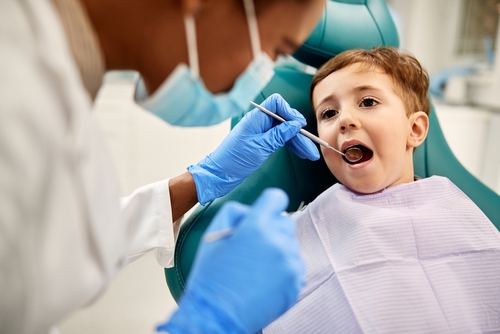
Pediatric dentists keep an eye on the development of teeth, jaws, and bite alignment from the time a child gets their first tooth until adolescence. Frequent dental checkups enable the early identification of possible problems including cavities, misaligned teeth, or bite abnormalities. Dental sealants, fluoride treatments, and professional cleanings are examples of preventative care that is crucial in preventing tooth decay. In order to maintain healthy teeth and gums in between appointments, pediatric dentists instruct kids and parents on appropriate brushing, flossing, and eating practices.

Early dental appointments are important for both prevention and making kids feel comfortable. In order to lessen anxiety, pediatric dentists are educated in behavior management strategies that use kid-friendly tools, calm communication, and positive reinforcement. Children can build trust and make the transition to routine dental treatment easier when they are introduced to the dentist office in a warm and comforting manner. This foundation lessens dental procedure anxiety and promotes lifelong good habits.

Common dental issues unique to children are also addressed by pediatric dentistry. The most common ailment in children is tooth decay, which can be avoided with good hygiene and prompt treatment. Pediatric dentists treat cavities with fillings, crowns, or minimally invasive procedures that are suitable for young teeth. Additionally, they treat dental injuries, such as chipped or knocked-out teeth, which are prevalent in active kids and provide timely care that preserves both function and look.

Keeping an eye on the growth of permanent teeth is another crucial component of childhood dentistry. Pediatric dentists examine the eruption of permanent teeth and the loss of baby teeth, looking for crowding or alignment problems that can call for early orthodontic treatment. Early identification of biting issues enables prompt treatment, potentially averting more complex treatments in the future. When needed, pediatric dentists work with orthodontists to construct customized treatment programs that promote healthy dental development.

Advice for kids with unique medical problems is another aspect of specialized care in pediatric dentistry. Specialized dental procedures, such as altered treatment methods, sedation choices, or extended appointment periods, may be necessary for children with disorders impacting their physical, emotional, or cognitive development. In order to offer each child with safe, efficient, and compassionate care, pediatric dentists collaborate closely with families and other medical professionals.

One of the most important aspects of pediatric dentistry is education. Children are taught the value of dental hygiene by dentists using engaging, interactive techniques that promote involvement and comprehension. From brushing methods to dietary advice on cutting back on sugar consumption, parents are given the resources and direction they need to maintain dental health at home. Pediatric dentistry assists in preventing issues before they arise by promoting awareness and accountability at a young age.

In order to lower the risk of cavities, pediatric dentists also emphasize preventative methods including dental sealants, fluoride treatments, and routine cleanings. Sealants shield tooth crevices where food might get stuck, and fluoride fortifies enamel, increasing tooth resistance to decay. Strong, healthy teeth are maintained throughout infancy with the help of these preventive techniques and routine dental checkups.

A child’s early dental experiences frequently influence how they will feel about oral health in the future. Good experiences with a pediatric dentist can boost self-esteem, lessen anxiety, and promote lifetime dental checkups. In addition to repairing teeth, pediatric dentistry aims to promote general development, impart good habits, and lay the groundwork for long-term dental health.

Pediatric dentistry guarantees children have strong, healthy teeth while fostering favorable attitudes about oral hygiene by offering compassionate, specialized care with a focus on prevention. From regular examinations and cleanings to treating cavities, trauma, and developmental issues, pediatric dentists are essential to preserving young patients’ smiles and general health so they can prosper now and in the future.
 

Benefits of Periodontal Treatment

The goal of periodontal therapy is to prevent, treat, and reverse gum disease, a common ailment that damages the tissues that support teeth. Gingivitis, the initial stage of gum disease, is frequently characterized by modest symptoms including redness, swelling, or bleeding when brushing. If untreated, it can develop into periodontitis, a condition in which the gums separate from the teeth, bone is lost, and teeth may eventually come loose or fall off. Because gum disease has been connected to heart disease, diabetes, and respiratory problems, periodontal therapy is crucial for both preserving a good smile and safeguarding general health.

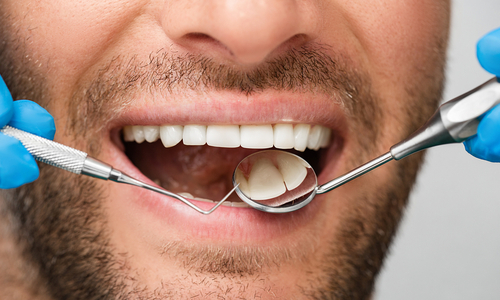
A comprehensive evaluation is the first step in treating periodontal disease. In order to evaluate gum health, dentists measure pocket depths surrounding teeth, examine X-rays, and look for signs of bone loss, recession, or inflammation. This assessment aids in assessing the condition’s severity and directs the best course of action. While advanced instances may require more extensive operations to restore gum and bone health, early-stage gum disease may merely require non-surgical care.

Scaling and root planing, often known as thorough cleaning, is one of the most popular periodontal procedures. Plaque and hardened tartar are removed from places above and below the gum line that are inaccessible with standard brushing and flossing thanks to this non-surgical technique. The teeth’s roots are then flattened to lessen areas where germs can grow and to aid in the gums’ reattachment. In order to assure comfort, scaling and root planing are frequently carried out under local anesthesia and may take several visits. This medication considerably lowers inflammation and slows the progression of the disease for many people.

If deep cleaning doesn’t completely cure gum disease, more treatments could be suggested. To manage infection and lessen dangerous bacteria in periodontal pockets, antibacterial therapies like targeted antibiotics or antimicrobial rinses are occasionally utilized. These drugs promote recovery and increase the efficiency of mechanical cleaning. To track progress and make any adjustments, it’s critical to schedule follow-up sessions on a regular basis.

Surgery may be necessary to treat advanced periodontitis. The dentist or periodontist can remove deep-seated tartar, gently elevate the gums, and restructure damaged bone with procedures like flap surgery. After that, the gums are moved to better match the teeth, decreasing pocket depth and simplifying everyday oral hygiene. Regenerative techniques may be used when there is a severe loss of bone or tissue. These procedures use membranes, grafts, or biologic materials that promote natural healing to promote the creation of new bone and gum tissue.

After active therapy is finished, periodontal treatment continues. A key component of long-term success is ongoing periodontal maintenance. More frequent professional cleanings, usually every three to four months, are usually necessary for patients with a history of gum disease. These examinations aid in removing plaque accumulation, preventing reinfection, and enabling early identification of any reoccurring problems. Maintaining results is mostly dependent on daily oral hygiene at home, which includes appropriate brushing, flossing, and occasionally specialized instruments.

Periodontal health is also influenced by lifestyle choices. Gum disease risk and recovery can be exacerbated by smoking, poor diet, stress, and untreated medical issues. Combining these elements with expert care enhances results and promotes general well-being. Patients are empowered to actively participate in maintaining the health of their gums through education and advice from the dental team.

Investing in periodontal therapy benefits both dental and overall health. Patients can maintain their natural teeth, increase comfort, and have a healthier smile for many years to come by treating gum disease early and according to a customized treatment and maintenance plan. Good habits, professional assistance, and consistent care all contribute to healthy gums and disease prevention.


Everything About Dentures

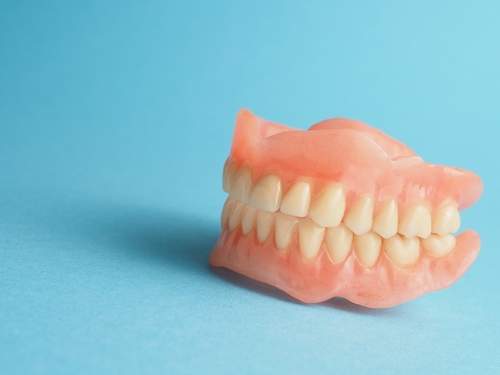
Detachable dental devices called dentures are made to replace lost teeth and enable confident speaking, smiling, and chewing behaviors. Tooth loss can be caused by decay, gum disease, trauma, or aging, and dentures are a dependable option for people looking to improve their appearance and functionality. In addition to maintaining dental health and facial structure, modern dentures are more comfortable and natural-looking than ever, assisting patients in regaining their quality of life.

Complete and partial dentures are the two primary varieties. Partial dentures are advised when some natural teeth are still present, but complete dentures are utilized when all of the teeth in the upper or lower arch are lost. Partial dentures are manufactured specifically to fit around natural teeth and keep them from moving. Both varieties are expertly made to resemble real teeth in terms of size, shape, and color, guaranteeing a harmonious and lifelike look.

A thorough dental examination is the first step in the denture process. To choose the best kind of denture, the dentist looks at the gums, jawbone, and any teeth that are still there. To guarantee an exact fit, which is crucial for comfort and functionality, impressions and measurements are acquired. In certain situations, prior to the placement of dentures, tooth extractions or other preparatory procedures could be required. During the healing process, patients may be given temporary dentures so they can continue with their regular activities.

It takes patience and time to become used to wearing dentures. At first, dentures may feel heavy or strange, and it’s normal to experience mild discomfort or increased salivation. As the mouth adjusts to the device, speaking and eating may need some practice. The transition can go more smoothly if you start with soft foods and then progressively introduce firmer textures again. Dentures become more stable and comfortable as muscles learn to hold them in place over time.

Maintaining dental health and extending the appliance’s lifespan require proper denture care. To get rid of food particles and plaque, dentures should be taken out every day and cleaned with a gentle brush and non-abrasive cleanser. Dentures can be kept moist and kept from warping by soaking them overnight. To lessen bacteria and preserve healthy tissues, it’s also critical to clean the tongue, gums, and any natural teeth that may still be present.

For people who wear dentures, routine dental checkups are still crucial. The dentist keeps an eye on how well the dentures fit and looks for indications of discomfort, infection, or jawbone changes. Dentures may become loose with time due to natural bone resorption, necessitating relining or modifications. Ongoing expert care is essential since ignoring poor fit can result in discomfort, blisters, and trouble eating.

Additionally, dentures support the appearance of the face. A sunken or aged appearance can result from the sagging of face muscles caused by missing teeth. A more youthful facial profile can be achieved with well-fitting dentures, which support the lips and cheeks. This advantage frequently results in increased confidence and self-worth in social and professional contexts.

Implant-supported dentures may be an alternative for people looking for additional stability. Compared to conventional dentures, these dentures offer more security and less movement since they are fixed to dental implants inserted into the jawbone. Implant-supported solutions can greatly increase comfort and chewing efficiency for qualified individuals, albeit they are not appropriate for everyone.

For millions of people, dentures continue to be a reliable and efficient alternative to missing teeth. Dentures can offer long-lasting function and attractiveness with the right maintenance, frequent dental examinations, and reasonable expectations during the adjustment phase. They are an important way to restore dental health and general wellbeing since they enable people to eat a variety of foods, speak clearly, and smile confidently.


Teeth Whitening Tips & Benefits

One of the most common cosmetic dentistry procedures is teeth whitening, which provides an easy and efficient solution to improve a smile’s appearance. Coffee, tea, red wine, smoking, some medications, and the aging process can cause teeth to gradually lose their luster over time. Stains can form on the enamel and inside the tooth structure even with good dental hygiene. By addressing these discolorations, teeth whitening helps patients attain a notably whiter and more radiant smile.

Extrinsic and intrinsic stains are the two primary categories of tooth discolouration. Extrinsic stains are typically brought on by food, beverages, and tobacco usage and harm the tooth’s outer layer. Intrinsic stains can be caused by developmental disorders, drugs, or trauma. Professional teeth whitening procedures are more successful than over-the-counter ones as they are made to handle both kinds. To make sure the teeth and gums are healthy and appropriate for treatment, a dental examination is usually advised prior to teeth whitening.

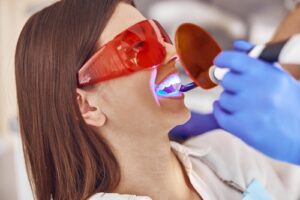
One of the quickest ways to get noticeable results is with professional in-office teeth whitening. This procedure involves carefully applying a high-concentration whitening gel to the teeth while protecting the gums. To activate the gel and quicken the whitening process, a specific light or laser is frequently employed. Because results are frequently apparent after only one treatment, in-office whitening is a desirable choice for anyone looking to boost their confidence or appearance for special occasions.

For customers who would rather whiten their teeth gradually, dentist-provided take-home whitening kits provide a practical substitute. Professional-strength whitening gel and specially fitted trays are included in these kits. The personalized fit reduces gum discomfort and guarantees uniform covering. In order to gradually get a brighter smile, patients usually wear the trays for a predetermined period of time every day for one to two weeks. This method is simple to implement into everyday practices and gives you more control over the degree of whitening.

One significant benefit of professional teeth whitening is safety. In order to lessen irritation and safeguard the gums, dentists closely observe the procedure. Although moderate tooth sensitivity is a typical side effect, it usually goes away quickly after treatment. To reduce discomfort and guarantee the best outcomes, use products that your dentist recommends and pay close attention to the directions. Professional advice is crucial since poor use or excessive use of whitening agents can irritate soft tissues or harm enamel.

Although teeth whitening is not permanent, with the right maintenance, effects can last a long time. The brightness of whitened teeth can be preserved by avoiding foods and drinks that can discolor them, stopping smoking, and practicing basic oral hygiene. In order to maintain teeth looking their best and remove surface stains, routine dental cleanings are also essential. To preserve their preferred hue over time, some patients choose for sporadic touch-up procedures.

It’s critical to realize that not everyone is a good candidate for teeth whitening. Crowns, veneers, and fillings are examples of restorations that may need to be replaced to match freshly whitened teeth since they do not react to whitening treatments. Alternative cosmetic remedies may also be required for people with severe gum disease, enamel erosion, or specific types of discolouration. A dental consultation aids in identifying the best course of action and reasonable expectations.

Beyond appearance, teeth whitening frequently has a positive psychological impact. A brighter grin can boost confidence, promote smiling more often, and have a favorable impact on both personal and professional relationships. Following teeth whitening, many patients say they are more motivated to keep their teeth healthy, which strengthens good practices that promote dental wellness in general.

A simple and efficient method of revitalizing a smile and enhancing beauty is teeth whitening. Patients can safely attain noticeable results and experience the confidence that comes with a brighter, healthier-looking smile with expert alternatives catered to specific needs.


Understanding Sleep Apnea

A dangerous sleep disorder called sleep apnea disrupts breathing while you’re asleep, resulting in frequent pauses in airflow throughout the night. While a person is asleep, these disruptions may happen dozens or even hundreds of times, lasting several seconds. Because it occurs during sleep, sleep apnea frequently goes untreated while having a substantial negative influence on general health, vitality, and quality of life. Dentists are crucial in diagnosing and treating some types of sleep apnea, particularly when airway blockage is caused by dental tissues.

Obstructive sleep apnea, central sleep apnea, and complicated sleep apnea are the three primary forms of sleep apnea. The most prevalent type of sleep apnea is obstructive, which happens when the throat’s muscles relax too much, causing soft tissues to collapse and obstruct the airway. The brain’s inability to deliver the right signals to regulate breathing results in central sleep apnea. Both are combined in complex sleep apnea. The form of sleep apnea that is most frequently treated with dental therapies is obstructive sleep apnea, which is frequently linked to oral and dental health issues.

Loud, persistent snoring, gasping or choking while you sleep, extreme daily lethargy, morning headaches, dry mouth, and trouble focusing are all common signs of sleep apnea. Many people don’t realize they have sleep apnea until their partner notices loud snoring or breathing irregularities. Sleep apnea raises the risk of major illnesses such high blood pressure, heart disease, stroke, diabetes, and depression if left untreated. Due to daytime sleepiness, it may also result in subpar work performance and a higher chance of accidents.

A sleep study performed at a sleep facility or a physician-recommended at-home test are the usual methods used to diagnose sleep apnea. However, during normal dental exams, dentists are frequently among the first medical professionals to identify symptoms of sleep apnea. A narrow airway, worn enamel, scalloped tongue borders, jaw alignment problems, or tooth grinding are some signs that point to a higher risk. When issues come up, dentists may work with sleep doctors as part of a comprehensive care plan or send patients for additional assessment.

Oral appliance therapy is one of the most popular dental treatments for obstructive sleep apnea. These specially designed mouthguard-like devices are worn while you sleep. By gently moving the tongue and lower jaw forward, oral appliances help maintain an unobstructed airway and lessen breathing disruptions. Patients with mild to moderate obstructive sleep apnea or those who are unable to endure continuous positive airway pressure therapy benefit most from them.

The most common treatment for moderate to severe sleep apnea is still CPAP therapy, which maintains the airway open by continuously pumping air through a mask. Despite its effectiveness, some patients have trouble with mask fit, comfort, or noise. Oral appliances offer these people a more quiet, portable, and pleasant option. These appliances are customized and adjusted by dentists with training in sleep medicine to guarantee optimal fit, comfort, and efficacy.

Changing one’s lifestyle is also crucial for treating sleep apnea. Significant symptom reduction can be achieved by controlling weight, abstaining from drinking before bed, stopping smoking, and sleeping on one’s side instead of the back. Since gum disease, inflammation, and jaw discomfort can make it difficult to utilize oral appliances, maintaining good oral health is essential to the effectiveness of treatment. Frequent dental checkups help guarantee that appliances continue to be pleasant and functional over time.

After a remedy is found, treatment continues. To keep sleep apnea under control, continuous monitoring is necessary. Dental health, jaw alignment, and appliance fit are routinely evaluated by dentists, and sleep doctors may suggest follow-up sleep studies to gauge progress. As symptoms develop or oral structures alter, adjustments could be required.

The advantages of controlling sleep apnea go well beyond improved sleep. A successful course of treatment enhances mood, memory, alertness during the day, and cardiovascular health in general. Once breathing disruptions are under control, many patients report having more energy, better attention, and a higher quality of life. Treating sleep apnea also lessens the chance of long-term health issues and lessens the strain on the heart.

Despite being a serious disorder, sleep apnea is very treatable. Patients can get good sleep and safeguard their long-term health with the right diagnosis, coordinated medical and dental care, and regular follow-up. Dental care is becoming more and more involved in treating sleep apnea, giving patients practical and affordable ways to enhance their general health and quality of sleep.


Tooth Extractions

When restorative treatment is no longer an option, a tooth extraction is the dental operation used to remove the tooth. Extractions are occasionally required to preserve general oral health, even though modern dentistry places a high priority on preserving natural teeth whenever possible. Severe decay, extensive gum disease, infection, overcrowding, trauma, or issues with wisdom teeth might all necessitate tooth extraction. When done correctly, tooth extractions can reduce discomfort, stop infections from spreading, and lay a healthier basis for other dental procedures.

A comprehensive dental evaluation is the first step in the process. In order to evaluate the root shape, bone support, and proximity to nerves or sinuses, the dentist frequently uses X-rays to examine the problematic tooth, surrounding gums, and jawbone. This assessment guarantees that the procedure is designed safely and aids in determining the kind of extraction required. Tooth extractions can be classified as either basic or surgical. Teeth that are visible can be extracted simply with specialized tools, while teeth that are fractured, impacted, or under the gum line need to be extracted surgically.

To guarantee patient comfort, local anesthetic is used to numb the area prior to the extraction. In order to help nervous patients relax throughout the treatment, sedative options may occasionally be used. The dentist expands the surrounding bone and periodontal ligaments to gently dislodge the tooth once it has become numb. After that, the tooth is gently extracted with as little damage to the surrounding tissues as possible. The tooth may be sectioned into smaller pieces for easier removal during surgical extractions, which involve making a tiny incision in the gums.

For the tooth to heal properly after extraction, appropriate treatment is necessary. The underlying bone and nerves are shielded by a blood clot that develops at the extraction site. In order to stop bleeding and prevent disrupting the clot, patients are recommended to bite down on gauze. During the initial healing phase, activities like smoking, using straws, or thorough cleaning should be avoided since they can dislodge the clot and cause dry socket, a painful condition.

Following a tooth extraction, discomfort and edema are common, particularly in the initial days. Usually, rest, cold compresses, and prescription or over-the-counter painkillers can help manage these symptoms. While the area heals, soft meals are advised, and neighboring teeth should be cleaned gently to prevent irritation of the extraction site. A quicker recovery and fewer difficulties can be achieved by attentively adhering to the dentist’s post-operative recommendations.

The difficulty of the extraction and the patient’s general condition both affect how long it takes to heal. While surgical extractions can take longer, simple extractions can recover in one to two weeks. In this period, bone remodeling starts under the surface as the gum tissue gradually closes over the area. The dentist can keep an eye on healing and handle any issues that may come up during follow-up visits.

Replacing a tooth that has been extracted is frequently a crucial next step. Leaving a gap can result in bone loss in the jaw, move neighboring teeth, and alter bite alignment. To restore function and beauty, dentists may suggest partial dentures, bridges, or dental implants. Maintaining a healthy smile and protecting oral health are two benefits of early tooth replacement planning.

Tooth extractions are also frequently done to remove troublesome wisdom teeth or as part of orthodontic treatment. In certain situations, extractions aid in making room, easing congestion, or averting further issues. Extractions are safe, predictable operations that promote long-term dental health when done with careful preparation using contemporary methods.

Even while the thought of having a tooth extracted can be frightening, improvements in anesthesia and dental technology have made the process much more painless than many people anticipate. Patients can make a full recovery and move on with better dental health if they receive the right care both before and after treatment. In order to relieve discomfort, avoid more serious dental problems, and prepare the mouth for future health, tooth extractions are essential.