The goal of periodontal therapy is to prevent, treat, and reverse gum disease, a common ailment that damages the tissues that support teeth. Gingivitis, the initial stage of gum disease, is frequently characterized by modest symptoms including redness, swelling, or bleeding when brushing. If untreated, it can develop into periodontitis, a condition in which the gums separate from the teeth, bone is lost, and teeth may eventually come loose or fall off. Because gum disease has been connected to heart disease, diabetes, and respiratory problems, periodontal therapy is crucial for both preserving a good smile and safeguarding general health.
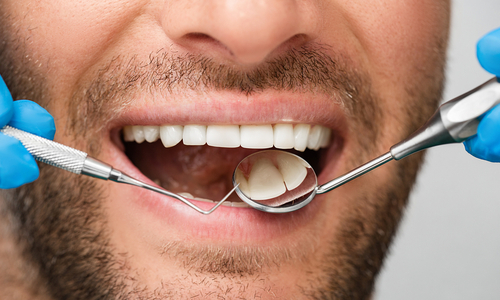
A comprehensive evaluation is the first step in treating periodontal disease. In order to evaluate gum health, dentists measure pocket depths surrounding teeth, examine X-rays, and look for signs of bone loss, recession, or inflammation. This assessment aids in assessing the condition’s severity and directs the best course of action. While advanced instances may require more extensive operations to restore gum and bone health, early-stage gum disease may merely require non-surgical care.
Scaling and root planing, often known as thorough cleaning, is one of the most popular periodontal procedures. Plaque and hardened tartar are removed from places above and below the gum line that are inaccessible with standard brushing and flossing thanks to this non-surgical technique. The teeth’s roots are then flattened to lessen areas where germs can grow and to aid in the gums’ reattachment. In order to assure comfort, scaling and root planing are frequently carried out under local anesthesia and may take several visits. This medication considerably lowers inflammation and slows the progression of the disease for many people.
If deep cleaning doesn’t completely cure gum disease, more treatments could be suggested. To manage infection and lessen dangerous bacteria in periodontal pockets, antibacterial therapies like targeted antibiotics or antimicrobial rinses are occasionally utilized. These drugs promote recovery and increase the efficiency of mechanical cleaning. To track progress and make any adjustments, it’s critical to schedule follow-up sessions on a regular basis.
Surgery may be necessary to treat advanced periodontitis. The dentist or periodontist can remove deep-seated tartar, gently elevate the gums, and restructure damaged bone with procedures like flap surgery. After that, the gums are moved to better match the teeth, decreasing pocket depth and simplifying everyday oral hygiene. Regenerative techniques may be used when there is a severe loss of bone or tissue. These procedures use membranes, grafts, or biologic materials that promote natural healing to promote the creation of new bone and gum tissue.
After active therapy is finished, periodontal treatment continues. A key component of long-term success is ongoing periodontal maintenance. More frequent professional cleanings, usually every three to four months, are usually necessary for patients with a history of gum disease. These examinations aid in removing plaque accumulation, preventing reinfection, and enabling early identification of any reoccurring problems. Maintaining results is mostly dependent on daily oral hygiene at home, which includes appropriate brushing, flossing, and occasionally specialized instruments.
Periodontal health is also influenced by lifestyle choices. Gum disease risk and recovery can be exacerbated by smoking, poor diet, stress, and untreated medical issues. Combining these elements with expert care enhances results and promotes general well-being. Patients are empowered to actively participate in maintaining the health of their gums through education and advice from the dental team.
Investing in periodontal therapy benefits both dental and overall health. Patients can maintain their natural teeth, increase comfort, and have a healthier smile for many years to come by treating gum disease early and according to a customized treatment and maintenance plan. Good habits, professional assistance, and consistent care all contribute to healthy gums and disease prevention.