Detachable dental devices called dentures are made to replace lost teeth and enable confident speaking, smiling, and chewing behaviors. Tooth loss can be caused by decay, gum disease, trauma, or aging, and dentures are a dependable option for people looking to improve their appearance and functionality. In addition to maintaining dental health and facial structure, modern dentures are more comfortable and natural-looking than ever, assisting patients in regaining their quality of life.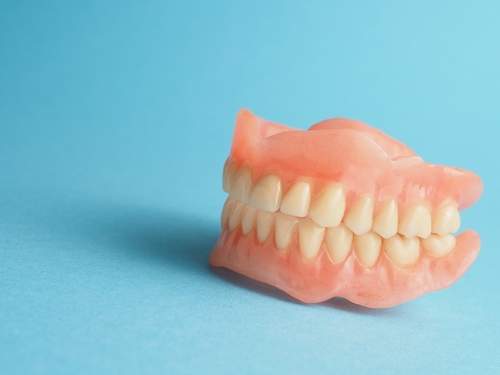
Complete and partial dentures are the two primary varieties. Partial dentures are advised when some natural teeth are still present, but complete dentures are utilized when all of the teeth in the upper or lower arch are lost. Partial dentures are manufactured specifically to fit around natural teeth and keep them from moving. Both varieties are expertly made to resemble real teeth in terms of size, shape, and color, guaranteeing a harmonious and lifelike look.
A thorough dental examination is the first step in the denture process. To choose the best kind of denture, the dentist looks at the gums, jawbone, and any teeth that are still there. To guarantee an exact fit, which is crucial for comfort and functionality, impressions and measurements are acquired. In certain situations, prior to the placement of dentures, tooth extractions or other preparatory procedures could be required. During the healing process, patients may be given temporary dentures so they can continue with their regular activities.
It takes patience and time to become used to wearing dentures. At first, dentures may feel heavy or strange, and it’s normal to experience mild discomfort or increased salivation. As the mouth adjusts to the device, speaking and eating may need some practice. The transition can go more smoothly if you start with soft foods and then progressively introduce firmer textures again. Dentures become more stable and comfortable as muscles learn to hold them in place over time.
Maintaining dental health and extending the appliance’s lifespan require proper denture care. To get rid of food particles and plaque, dentures should be taken out every day and cleaned with a gentle brush and non-abrasive cleanser. Dentures can be kept moist and kept from warping by soaking them overnight. To lessen bacteria and preserve healthy tissues, it’s also critical to clean the tongue, gums, and any natural teeth that may still be present.
For people who wear dentures, routine dental checkups are still crucial. The dentist keeps an eye on how well the dentures fit and looks for indications of discomfort, infection, or jawbone changes. Dentures may become loose with time due to natural bone resorption, necessitating relining or modifications. Ongoing expert care is essential since ignoring poor fit can result in discomfort, blisters, and trouble eating.
Additionally, dentures support the appearance of the face. A sunken or aged appearance can result from the sagging of face muscles caused by missing teeth. A more youthful facial profile can be achieved with well-fitting dentures, which support the lips and cheeks. This advantage frequently results in increased confidence and self-worth in social and professional contexts.
Implant-supported dentures may be an alternative for people looking for additional stability. Compared to conventional dentures, these dentures offer more security and less movement since they are fixed to dental implants inserted into the jawbone. Implant-supported solutions can greatly increase comfort and chewing efficiency for qualified individuals, albeit they are not appropriate for everyone.
For millions of people, dentures continue to be a reliable and efficient alternative to missing teeth. Dentures can offer long-lasting function and attractiveness with the right maintenance, frequent dental examinations, and reasonable expectations during the adjustment phase. They are an important way to restore dental health and general wellbeing since they enable people to eat a variety of foods, speak clearly, and smile confidently.